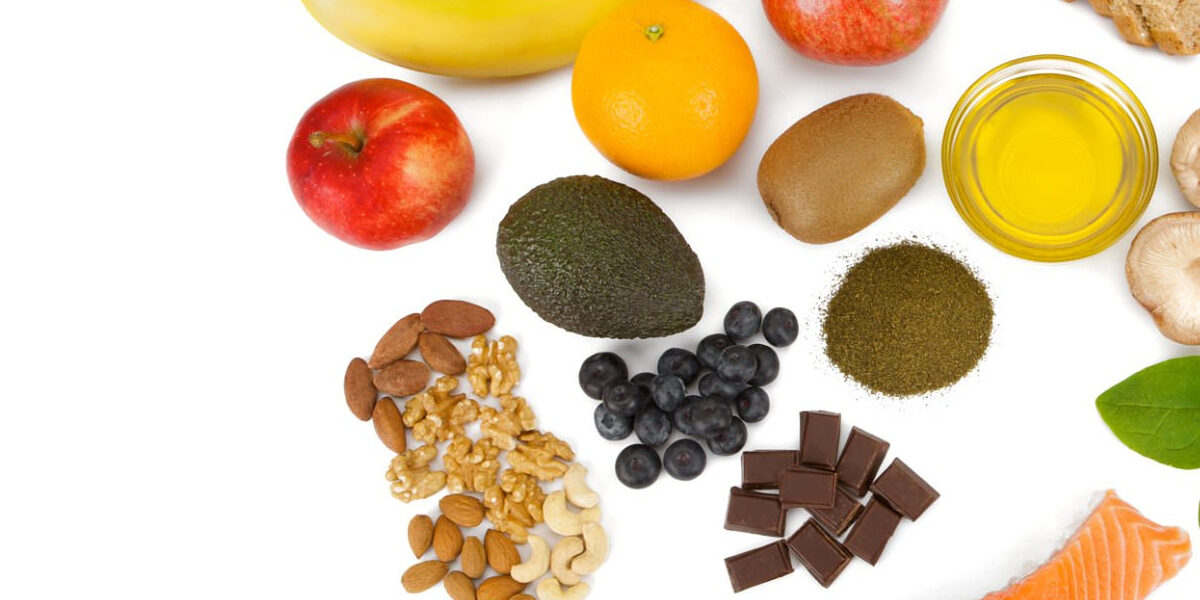
Healthy eating is no longer just about strict diets or rigid rules. In 2026, nutrition experts are emphasizing balance, sustainability, and mindful food choices that lead to long-term health. A modern healthy diet focuses on whole foods, variety, and realistic habits that fit into everyday life. Inspired by today’s healthy food guidance, this article offers practical ways to help you eat better, feel energized, and maintain a healthy lifestyle.
Why Healthy Eating Is More Important Than Ever
Our bodies depend on the nutrients we get from food to function properly. A balanced diet supports immunity, mental clarity, heart health, and energy levels. With busy schedules and the easy availability of processed foods, many people struggle to maintain nutritious eating habits.
Healthy eating isn’t about perfection. It’s about consistently making choices that nourish your body. Even small improvements like including more vegetables in your diet or choosing whole grains can yield significant health benefits over time.
The Foundations of a Balanced Plate
A healthy plate should include a mix of essential food groups. Each group provides specific nutrients that work together to support overall health.
1. Vegetables and Fruits: A Powerhouse of Nutrients
Vegetables and fruits are rich in vitamins, minerals, antioxidants, and fiber. They help prevent chronic diseases and aid digestion. Try filling half your plate with colorful foods.
Tips to increase your fruit and vegetable intake:
Add vegetables to omelets, sandwiches, and pasta dishes
Eat fresh fruit instead of processed sweets
Include a side salad with lunch or dinner
Experiment with seasonal items for variety
Eating a rainbow of colors provides a variety of nutrients.
2. Whole Grains for Sustained Energy
Whole grains like brown rice, quinoa, oats, and whole-wheat bread provide complex carbohydrates and fiber. These foods release energy slowly, keeping you full and focused.
Refined grains often lack essential nutrients. Choosing whole-grain options supports digestive health and maintains stable blood sugar levels.
3. Lean Protein for Strength and Repair
Protein is essential for muscle repair, immune function, and hormone production. Healthy protein sources include:
Fish and seafood
Lean poultry
Eggs
Legumes and beans
Nuts and seeds
Plant-based protein options
Including protein in every meal helps keep you full and supports a healthy metabolism.
4. Healthy Fats for Brain and Heart Health
Not all fats are harmful. Unsaturated fats found in foods like olive oil, avocados, nuts, and fatty fish support brain function and heart health.
Reducing excessively processed and trans fats is important, but including healthy fats in moderation is beneficial.
Smart Eating Habits for Everyday Life
Healthy eating isn’t just about what you eat. it’s also about how you eat. Developing mindful habits can improve your relationship with food.
Practice Portion Awareness
Oversized portions are common in today’s diet. Learning to recognize the correct serving size can help prevent overeating without feeling deprived.
Using a smaller plate, eating slowly, and paying attention to hunger cues are easy ways to promote balanced portions.
Stay Hydrated
Water plays an essential role in digestion, circulation, and temperature regulation. Many people mistake thirst for hunger.
Drinking water throughout the day can improve energy levels and concentration. Herbal teas and infused waters are excellent alternatives to sugary drinks.
Plan Meals in Advance
Planning meals reduces dependence on fast food and processed snacks. Preparing ingredients in advance makes it easier to prepare nutritious meals on busy days.
Batch-cooking grains, chopping vegetables, and preparing healthy snacks can save time and maintain consistency.
The Role of Mindful Eating
Mindful eating involves paying full attention to the eating experience. This practice encourages you to savor the flavor, feel full, and enjoy food without distraction.
Benefits of mindful eating include:
Improved digestion
Better portion control
Reduced emotional eating
Increased satisfaction from eating
Try eating without screens and focus on taste and texture to cultivate a more mindful approach.
Reducing Processed Foods Without Feeling Restricted
Processed foods are easy, but they often contain high amounts of sugar, sodium, and unhealthy fats. Instead of eliminating them completely, try eating them less often.
Some simple changes include:
Choosing whole fruits instead of fruit juice
Eating oats instead of sweetened cereals
Choosing homemade snacks instead of packaged options
Cooking mostly simple meals at home
Gradual changes are more sustainable than drastic changes.
Creating a Sustainable Healthy Lifestyle
A healthy diet should be enjoyable and maintainable. Restrictive eating patterns often lead to frustration and monotony. Sustainable nutrition focuses on flexibility and balance.
Embrace Variety
Different foods prevent boredom and ensure a full nutrient intake. Trying new recipes and foods can make healthy eating fun.
Balancing Food and Nutrition
Eating a little something occasionally is part of a balanced lifestyle. Making room for favorite foods reduces feelings of deprivation and promotes long-term success.
Linking Food to Health
Food is more than just fuel—it’s linked to culture, social experiences, and enjoyment. Sharing food with others can improve emotional well-being and encourage healthy choices.
Healthy Food for Different Stages of Life
Nutritional needs change over time. Children need nutrients for growth and development, adults need energy and maintenance support, and older adults benefit from a diet rich in nutrients that promote bone and muscle health.
Adjusting eating habits to suit life’s stage ensures optimal health at every age.
Simple Everyday Habits That Make a Big Difference
You don’t need major changes to improve your diet. Start with small, manageable actions:
Include an extra serving of vegetables every day
Drink a glass of water before every meal
Choose whole grains when possible
Include protein in breakfast
Cook one home-cooked meal every day
Continuously adopting these habits leads to long-lasting improvements.
The Future of Healthy Eating
Today’s nutrition emphasizes personalization, sustainability, and whole-food choices. People are increasingly aware of how food impacts physical and mental health.
Technology, nutrition research, and cultural changes are creating a future where healthy eating will be easier and more adaptable than ever before.
Final Thoughts
Healthy eating is a journey, not a destination. It’s about creating habits that support your body and mind, while also providing flexibility and enjoyment. By focusing on balanced eating, mindful habits, and a sustainable routine, you can create a lifestyle that will be healthy for the long term.
Small steps taken today can yield big benefits tomorrow. Start where you are, gradually improve, and celebrate your progress along the way.