Introduction
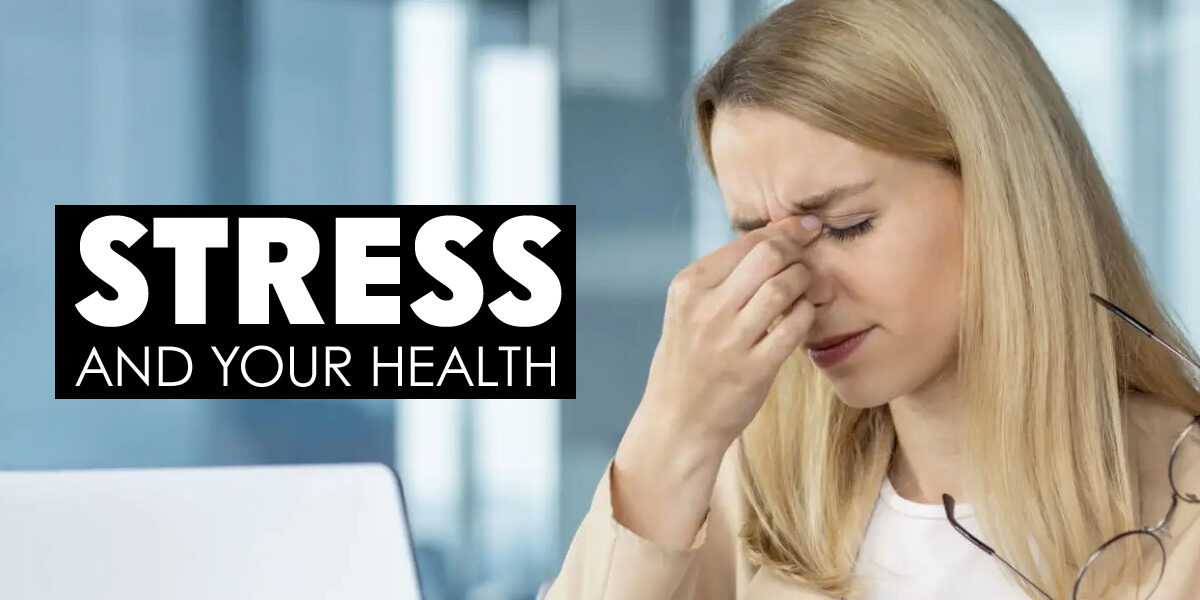
Stress has become an unavoidable part of modern life. Whether it’s work deadlines, financial obligations, family responsibilities, or the constant flow of information from smartphones and social media – many people feel stressed every day. A little stress can motivate us to perform better, but long-term stress can seriously harm physical and mental health.
Understanding how stress affects the body and learning practical ways to manage everyday worries can help you live a healthier, happier, and more balanced life. In this article, we explore the connection between stress and health, common symptoms of anxiety, and proven strategies that can help you gain control of the situation.
what is stress?
Stress is the body’s natural response to challenges or potential threats. In stressful situations, the body releases hormones such as adrenaline and cortisol. These hormones prepare the body for a quick response, commonly known as the “fight or flight” response.
While this response can be helpful in the short term, prolonged activation can lead to various health problems. Chronic stress keeps the body in a hyper-alert state, hindering relaxation and recovery.
How stress affects your physical health
Many people think of stress as purely emotional, but its effects affect the entire body.
1. Heart health
Long-term stress can increase blood pressure and heart rate. Over time, this can put additional strain on the cardiovascular system and increase the risk of heart disease.
2. Function of the immune system
Chronic stress can weaken the immune system and make it harder for the body to fight off infections and illnesses. People who are constantly stressed often report getting sick more often.
3. Digestive problems
Stress can affect digestion in several ways and result in symptoms such as the following:
- stomach pain
- Abdominal distension
- Indigestion
- nausea
- Changes in appetite
In some people, symptoms of digestive disorders may worsen during periods of stress.
4. Sleep disorders
Stress and anxiety often affect sleep quality. Jumbling thoughts, worries, and physical tension can make it difficult to fall asleep and stay asleep.

5. Muscle tension and pain
Stress, as a protective reaction, causes muscles to tense up. Over time, this tension can lead to headaches, neck pain, stiff shoulders, and back problems.
How does stress affect mental health?
The effects of stress extend far beyond physical symptoms.
Common psychological and emotional symptoms include:
- excessive thinking
- difficulty concentrating
- irritability
- mood swings
- unrest
- feelings of being overwhelmed
- Decreased motivation
- emotional exhaustion
Untreated long-term stress can increase the risk of anxiety disorders, depression, and burnout.
Common causes of everyday anxiety
Understanding the causes of your stress is an important first step to managing it effectively.
Common causes include:
work related pressure
Heavy workloads, tight deadlines, job insecurity, and workplace conflicts can all cause anxiety.
Financial concerns
Managing expenses, debts, and future financial goals can cause constant stress.
Health concerns
Worries about one’s health or the well-being of relatives often increase anxiety.
Problems in relationships
Disputes with family members, friends or spouse can have a negative impact on emotional health.
information overload
Constant exposure to news, social media, and digital information can put excessive pressure on the brain and increase feelings of stress.
Practical ways to deal with everyday worries
The good news is that there are many effective strategies to help reduce stress and improve resilience.
1. Practice deep breathing
One of the quickest ways to calm the nervous system is through controlled breathing.
Try this simple technique:
- Breathe in slowly through your nose for four seconds.
- Hold your breath for four seconds.
- Breathe out slowly through your mouth for six seconds.
- Repeat this for a few minutes.
Deep breathing signals to your body that it is safe, which helps reduce the physical symptoms of anxiety.
2. Be physically active
Regular exercise is one of the most effective ways to manage stress.
Physical activity has the following benefits:
- Reduce stress hormones
- Improve mood
- Increases energy levels
- Improve sleep quality
Even a 20- to 30-minute walk can make a significant difference.
3. Make sure to get good sleep.
Sleep and stress are intertwined. Stress can disrupt sleep, and poor sleep can increase stress levels.
To improve sleep quality:
- Maintain a regular bedtime.
- Avoid using screens before bed.
- Limit caffeine intake in the late afternoon or evening.
- Create a relaxing evening routine.
4. Limit excessive screen time.
Technology can be helpful, but its constant availability often causes anxiety.
Catch:
- Disable unnecessary notifications
- Schedule time away from screens
- Take a break from social media for a while.
- Avoid watching the news before going to sleep.
5. Focus on healthy eating
What you eat can affect your health.
A balanced diet that includes plenty of:
- Fruit
- vegetables
- whole grain products
- lean proteins
- Healthy Fats
This can help maintain stable energy levels and overall health.
Reducing excessive intake of sugar, caffeine, and processed foods may also help reduce stress-related symptoms.
6. Practice meditation
Mindfulness means paying attention to the present moment without any bias.
Its benefits include the following:
- Anxiety reduction
- better emotional regulation
- Better focus
- More confidence
Simple mindfulness practices include meditating, taking a mindful walk, or focusing on your breath for a few minutes each day.
7. Build strong social connections
Humans are social creatures by nature. Supportive relationships can provide effective protection against stress.
spend time with:
- family members
- Friend
- community groups
- Support Network
Sometimes, just talking about your concerns can provide relief and new perspectives.
8. Organize tasks and prioritize them
Feeling overly stressed is often caused by trying to do too many things at the same time.
try:
- Making a daily to-do list
- Break down large tasks into smaller steps
- Set realistic goals
- Prioritizing important activities
This can help in overcoming challenges better.
9. Learn to say no
Many people suffer from stress due to carrying too many responsibilities.
Setting healthy boundaries saves you time and energy. If your schedule is already busy, it’s perfectly okay to decline commitments.
10. Make time for activities that bring you joy.
Hobbies and leisure activities are not luxuries, but are crucial for mental health.
Think about activities such as:
- Reading
- gardening
- listen to music
- painting
- cook
- spending time outdoors
Having regular fun helps balance everyday stress.
When to seek professional help
Occasional stress is normal, but persistent anxiety that interferes with daily life may require professional help.
Consider talking to a doctor or psychiatrist if you experience the following symptoms:
- Constant worries
- panic attacks
- Serious sleep problems
- Difficulty functioning at work or at home
- feelings of hopelessness
Seeking help is a proactive step towards better health and wellbeing.
Concluding remarks
Stress is a natural part of life, but it doesn’t have to have a negative impact on your health. By understanding how stress affects your body and taking practical steps, you can increase your resilience and improve your overall quality of life.
Small, everyday habits like regular exercise, meditation, adequate sleep, and building meaningful social connections can have a significant impact in the long run. Remember: Stress management doesn’t mean avoiding challenges altogether, but rather developing healthy strategies to deal with them.
With consistent effort and self-care, it is possible to reduce everyday worries and live a healthier, more balanced life.