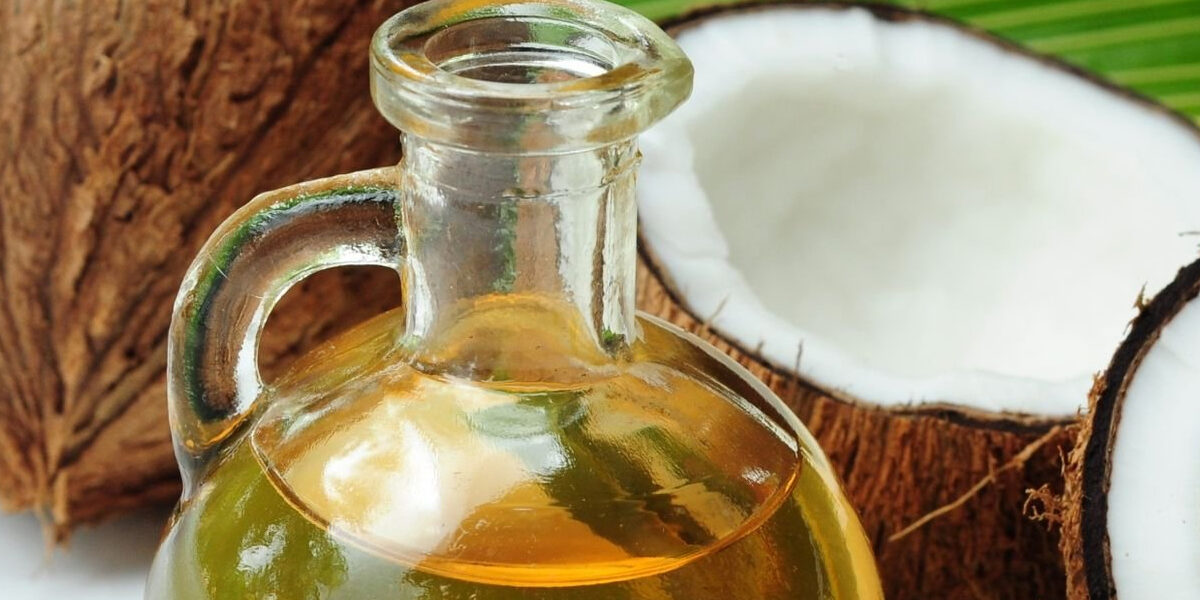
5 Benefits of Coconut Oil : Coconut oil is more than just a passing health trend. It’s one of the few natural plant oils whose molecular structure actually has the ability to alter the biological activity of hair, skin, and oral bacteria.
To reap the full benefits of this natural powerhouse, you need to understand the chemical properties that make its effects possible and know how to incorporate it into your daily self-care routine.
Nuclear Chemistry: Why is it superior to other vegetable oils?
Most vegetable oils (such as olive or jojoba oil) are composed of long-chain Triglyceride (LCT) These molecules are large and heavy; they stay on the surface of the skin or hair, locking in moisture but not penetrating deeply. Coconut oil is quite different. It is primarily…medium-chain triglycerides (MCTs) They have a dense molecular structure, allowing them to cross structural barriers.
breakdown of active fatty acids
| fatty acid | The percentage | Primary biological benefits |
| Lauric acid | approximately 49% | Destroys the lipid membranes of harmful bacteria, fungi and viruses (potent antimicrobial). |
| Myristinsäure | About 18% | It acts as a powerful emollient, smoothing rough skin cells and cleansing the skin. |
| palmitic acid | About 8% | It strengthens the skin’s natural protective layer, preventing moisture evaporation. |
| caprylic and capric acid | About 14% | Liquid fat that rapidly hydrates deep tissues and provides a direct antifungal effect. |
Detailed Analysis: 5 Benefits Of Coconut oil for the Body
1. Coconut oil for teeth (the science of oil pulling)
Your mouth is home to billions of bacteria. A large portion of these bacteria – including Streptococcus mutants The bacteria primarily responsible for tooth decay and gum disease are single-celled organisms surrounded by a fatty outer membrane. Because fat attracts fat, rinsing with coconut oil acts like a magnet, drawing these bacteria out of the spaces between teeth and gums.
- Detailed protocol: Take one tablespoon of pure coconut oil every morning on an empty stomach. Swish it gently in your mouth for 15 to 20 minutes. Do not gargle (as you don’t want to swallow bacteria).
- Ending: Spit the oil directly into the trash (spitting it into the sink can cause it to solidify and clog drains). Rinse thoroughly with warm water, then brush as usual. Within a week, you’ll notice fresher breath and smoother, cleaner tooth enamel.
2. Hair Care (Prevent Protein Deficiency)
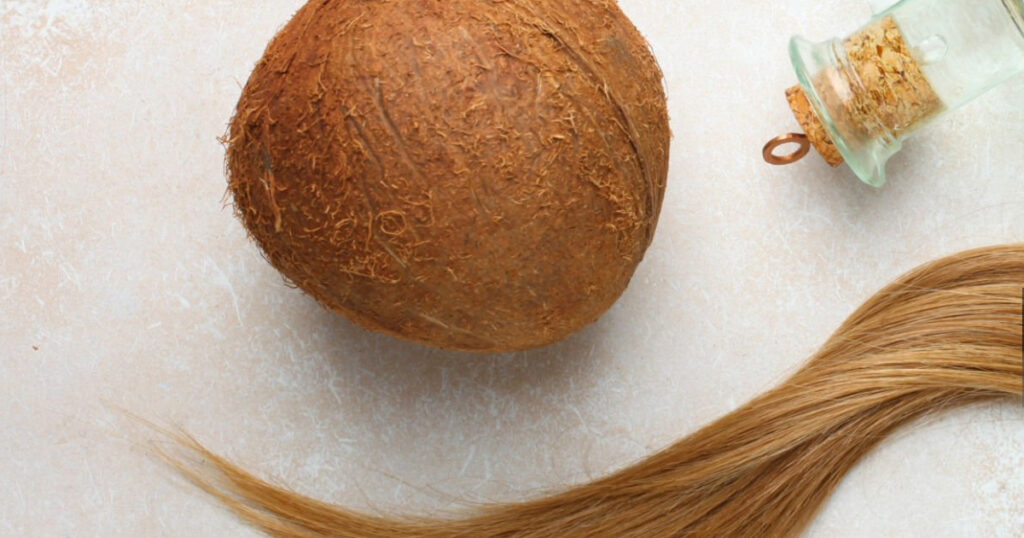
Hair damage occurs when water reaches the hair roots, causing the hair to swell and stretch, resulting in the breakdown of the hair’s internal proteins. Coconut oil is rich in lauric acid and has straight and dense molecular chains, so it is one of the few oils proven to be able to penetrate the hair cortex.
- Detailed protocol: Use it as an intensive pre-wash. Warm 1-2 tablespoons in your palms and apply thoroughly to dry hair from mid-lengths to ends.
- treatment: Leave it on for at least 30 minutes (or wrap it in a shower cap overnight for a more intense treatment). It saturates the hair follicles, preventing water damage during showering. This leaves the hair structure smooth and soft.
3. Applying coconut oil to the skin (creating a protective coating)

The skin’s protective layer is primarily composed of skin cells bound together by fats (lipids). When this layer is damaged by harsh soaps or cold weather, moisture is lost, leading to dryness, itching, and flaking. Coconut oil acts like the skin’s natural lipids and penetrates the spaces between damaged cells, restoring this protective layer.
- Detailed protocol: The best time to apply it is within three minutes of taking a warm shower. Pat your skin dry with a towel to keep it slightly damp, then massage a thin layer of oil evenly. The oil locks moisture directly into the skin cells.
- Important Note: Coconut oil is considered a pore-clogging agent. While it’s great for the body, feet, and hands, it shouldn’t be used on the face if you have acne-prone or oily skin.
4. Take care of your feet (soften them and prevent fungus)

The skin on our heels is ten times thicker than the skin on the rest of our bodies and is therefore more prone to deep, painful cracks. Furthermore, our feet are constantly confined in warm, moist shoes, an ideal breeding ground for fungal infections like athlete’s feet. The lauric acid and caprylic acid in coconut oil specifically target and destroy the cell walls of fungi.
- Detailed protocol: Before bed, soak your feet in warm water for 10 minutes, then gently exfoliate dead skin with a pumice stone. Apply a thick layer of coconut oil to your heels and between your toes, and massage thoroughly.
- treatment: Immediately slip on breathable, 100% cotton socks. The socks will prevent the oil from dripping onto your bedding and retain your body’s natural heat, allowing the oil to fully dissolve and soften rough skin overnight.
5. Soften your lips (chemical-free treatment)

Unlike the skin on the rest of the body, lips don’t have sebaceous glands. Therefore, they can’t create their own protective layer to maintain their moisture and are completely dependent on external protection. Many commercially available lip care products contain camphor, menthol, or salicylic acid, which may provide a cooling sensation but can dry out lips over time and require frequent reapplication.
- Detailed protocol: Keep a small bottle of coconut oil handy. As soon as your lips feel dry, apply a little oil to them.
- Homemade Lip Scrub: For intensive care, mix 1 teaspoon of coconut oil with 1 teaspoon of raw cane sugar. Gently massage this mixture onto dry lips in circular motions for 30 seconds, then wipe away with a damp cloth. The result: instantly soft and nourished lips.
Smart Shopping: What to Look for on Labels
Not all coconut oils are the same. Buying the wrong oil will destroy the important ingredients that make it effective.
- Choose from the following: “unrefined”, “virgin” or “cold pressed”.This means the oil has been extracted from fresh coconut pulp using a gentle process, without the use of high temperatures or harsh chemicals. It has a strong fresh coconut aroma and retains 100% of its lauric acid and antioxidant properties.
- Avoid the following products: “refined”, “RBD” (refined, bleached, deodorized).This oil is made from dried coconut seeds and processed with chemical solvents to remove odor and taste. It has significantly lower nutritional values and doesn’t provide the same therapeutic benefits for the skin and mouth.